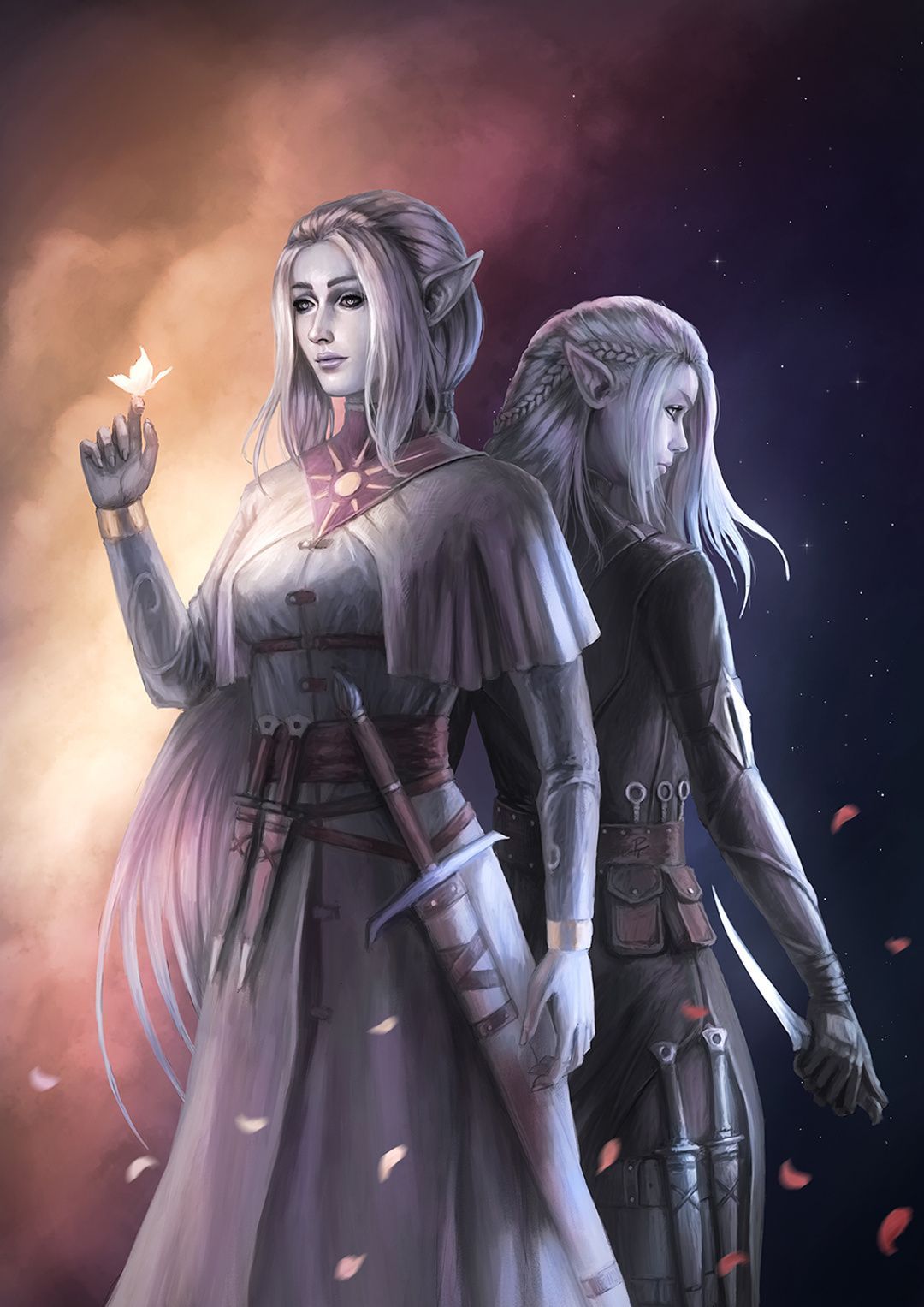
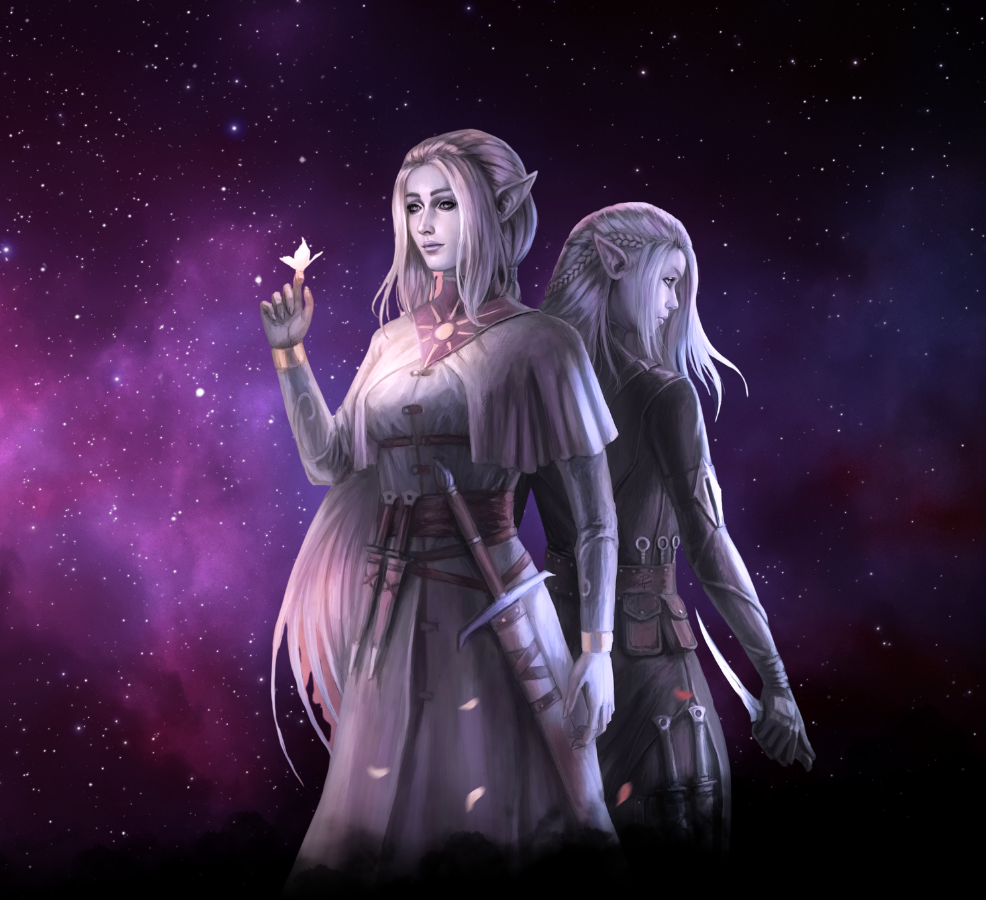
To most humans, those of us who are not human are equal parts marvel and menace. High-aelvar, wood-aelvar, and dverger all live far longer than they do, age more slowly, and bring with them levels of craft, magic, and harmony with the world that most humans cannot hope to match. This inspires awe; but also envy and resentment. The greatest divide is in how humans view my own people. Commoners usually meet high-aelvar with a mixture of curiosity and nervous respect, grateful if we heal, teach, or simply pay fairly for goods.
Human nobles, however, are another matter. They praise our “exquisite beauty,” treat us as living ornaments at court, and mutter about “corrupting influence” that they know nothing about even as some of them pay handsomely for high-aelvar slaves in the darker corners of the world. Wood-aelvar, by contrast, are regarded as mysterious, though dangerous, forest-dwellers. Half admired as guides and healers, half feared as “woodland spirits” who might curse crops or twist game-trails.
Dverger are respected, if grudgingly by humans, as master-smiths, artisans, and unyielding warriors: gruff and humorless (which is wholly incorrect), but reliable, so long, as the human saying goes, as one pays on time and does not ask too many questions. Sometimes humanity sickens me. I can understand why so many of my kind look down on them. Yet I find I prefer the company of human commoners, or those of similar mindset: they are, more often than not, kinder, more honest, and far more respectful than my own people or those humans who wear crowns and silk.
— from the research notes of Zyr’Magi Tes’Lothen, “Magi the Blade”, high-aelv scholar, mage, and swordsman