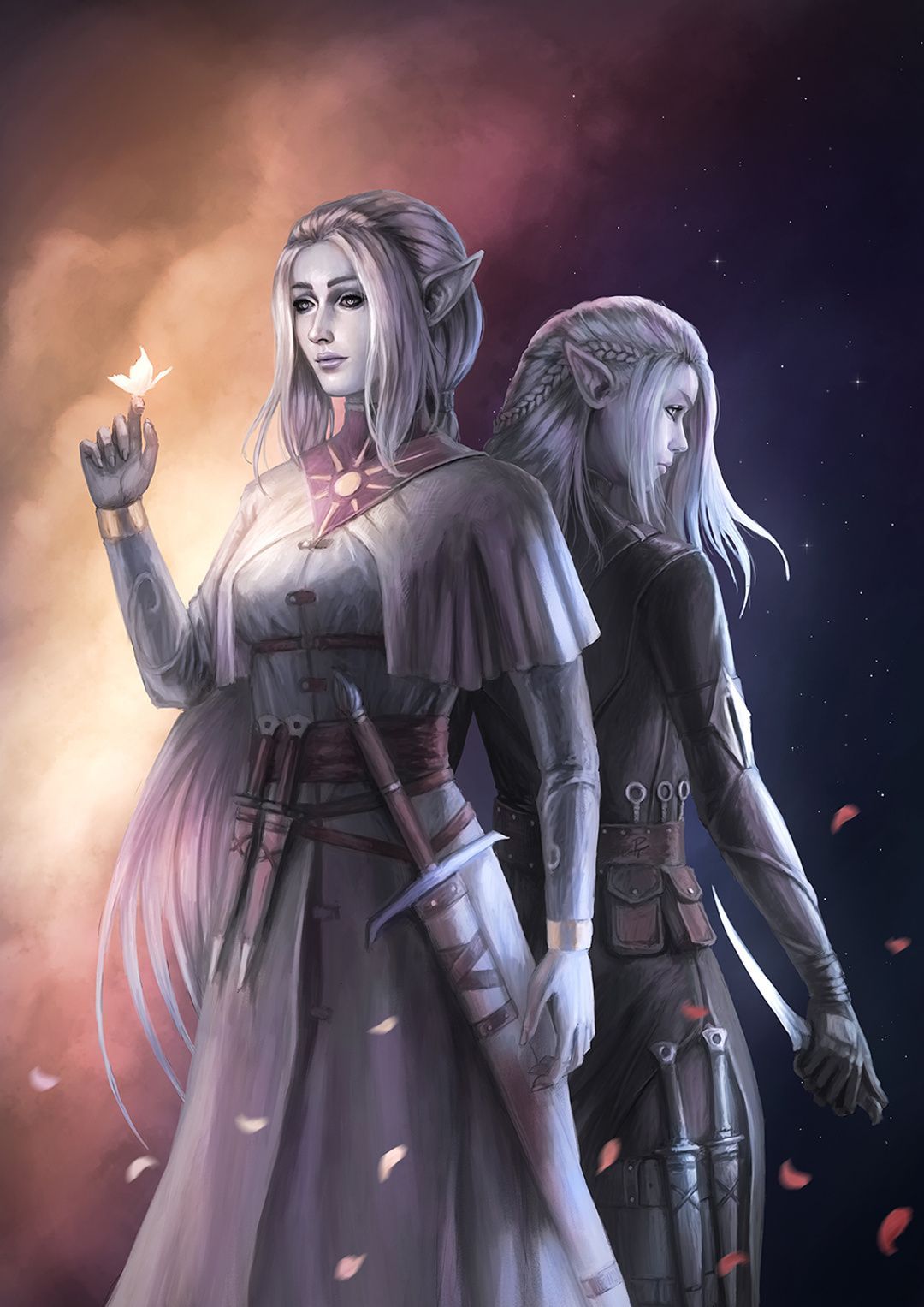
Each people I have studied encodes its history less in books than in festivals. Among my people, the high-aelvar, celebration is a deliberate work of art: Moonfalls Night under the full moons weave music and poetry into a living archive of ancestors and lost cities, while the Bloom Rite each year renews the pact between settlement and surrounding wilds. It is an elegant reminder that refinement without balance leads to ruin.
Wood-aelvar rites are quieter but no less instructive: the Whispering Hunt, in which unarmed youths shadow a forest animal, teaches that survival depends on restraint, patience, and listening; Rootdancefollows the cycles of bloom and migration, turning seasonal change into a choreographed memory of old journeys; and Bonecarving Tales literally inscribe family history into bone, heirlooms that outlast the flesh that carved them.
Dverger, as ever, bind meaning to craft. The coming-of-age Forging Ceremony ensures every adult carries their history in hand; Greatfeast honors not just artisans but the wilds around their settlements as a generous provider; the Ember Oath given before great works preserves the belief that every masterpiece is a threefold collaboration of maker, item, and history.
Humans tend toward a noisier, more volatile record: harvest fairs and solstice rites blur into worship of this or that god, while rulers eagerly stamp their own marks on the calendar. Even my dear friends fell into this with none more so on point than Valmark’s Liberation Day Festival, commemorating the overthrow of a tyrant slaver-king. In their revels, they retell the story of chains broken and a city reclaimed, though I note each year the people seem to edit the tale a little further in its own favor. I was there, so I know what truly occurred.
Humans can be humorous at times.
— from the research notes of Zyr’Magi Tes’Lothen, “Magi the Blade”, high-aelv scholar, mage, and swordsman