Of all the rites that mark the passage from child to adult, humans have managed, for once, to keep theirs the most grounded. Common-born youths rarely have formal “coming of age” ceremonies at all; just a small gathering of family and close friends, a shared meal, perhaps a simple gift and a few too many cups of ale. Noble and royal houses dress the moment up more finely, of course: tailored clothes, carefully composed speeches, and invited guests from allied families, but even then the gatherings are modest by their standards, more intimate than grand.
My people, the high-aelvar, are far less restrained. To turn one hundred and twenty-five is to walk into a storm of attention: a week-long celebration with family, friends, and the broader clan, feasts and dances that stretch long into the night, formal acknowledgments from elders, and no small amount of earnest advice from anyone old enough to remember when your parents reached the same age.
The wood-aelvar weave something similar into village life. When one of their own attains adulthood, the entire settlement celebrates for a whole day: songs, offerings to the forest, shared hunts or dances depending on the season. It is less a private milestone than a communal reaffirmation that the village has successfully carried another child to the far shore of youth.
Dverger make a test of craft the heart of their rite. Before they may be acknowledged as adults, each must fashion a tool suited to their chosen trade: a hammer, chisel, gauge, or other instrument; then present it to the clan elders for inspection. If the work is sound and the elders approve, a great feast follows with clan and family in attendance. Soon after, the newly recognized adult is often sent out into human lands to ply and perfect their craft, carrying the tool as both symbol and promise.
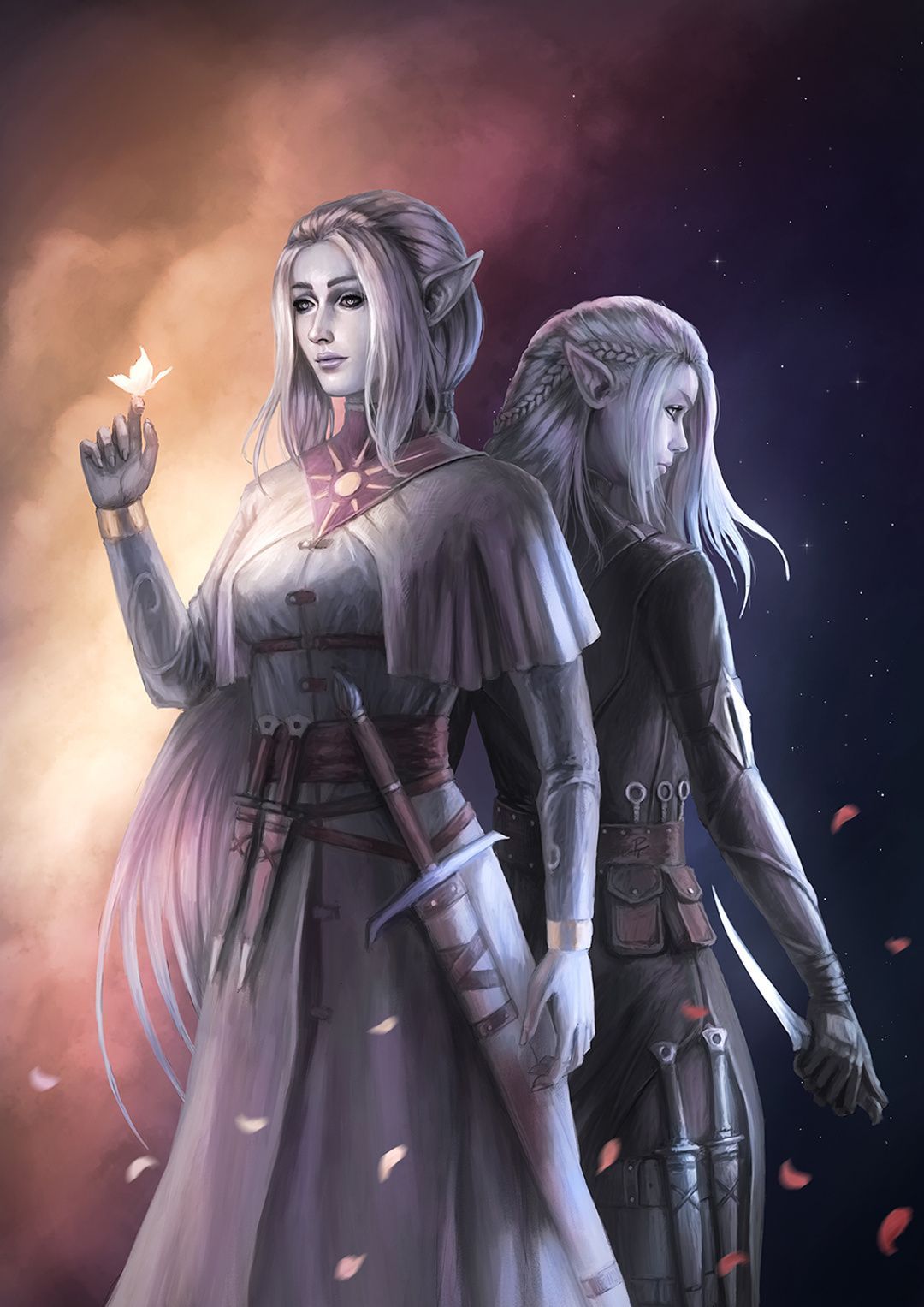
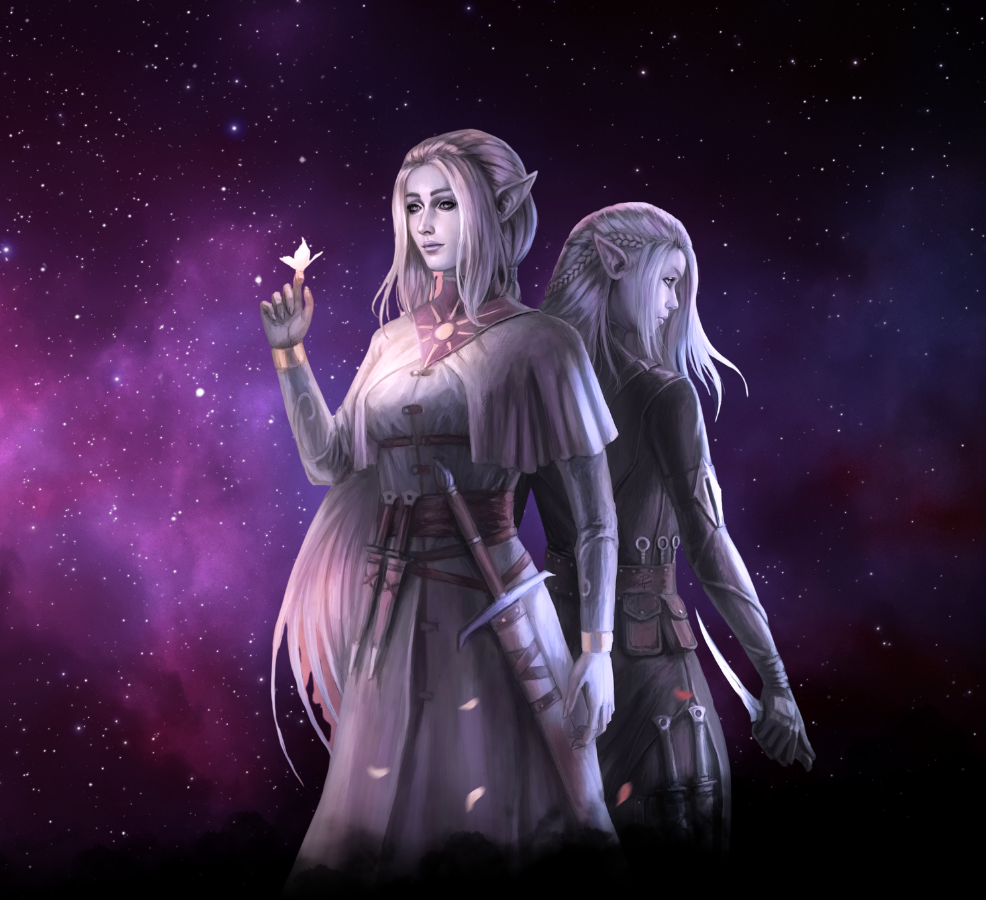
As for the pale-aelvar, I cannot say. I asked Isha once what celebration marked adulthood among the pale-aelvar, and the slight tremor that passed through her at the question was enough to make me change the subject. I have not pressed her since. Whatever they do, it is clearly not something she cares to remember… or I to record. What in the hells do pale-aelvar do to their own young, that the very topic makes one of their bravest shake?
— from the research notes of Zyr’Magi Tes’Lothen, “Magi the Blade”, high-aelv scholar, mage, and swordsman