Children learn in more ways than their elders care to admit. Among humans, the pattern is as uneven as everything else about them. The poor are fortunate to receive even a few years of letters and numbers; most learn their letters, if at all, in cramped temple-rooms or from a kindly neighbor with a bit of spare time. The wealthy hire tutors and sword-masters almost as soon as a child can hold quill and practice blade; five years old is not uncommon in noble houses. In cities such as Ætaine and Valmark, royal patronage has established free schools where any child from five to ten may learn their letters, basic sums, and a little history; those who wish to go further must either pay for the privilege or distinguish themselves enough to earn patronage and scholarships. Their games mirror this divide: street children play chasing, stick-duels, and rough ball-games in alleys, while noble offspring practice formal sword forms with blunted blades and re-enact famous battles on polished boards.
Dverger children are taught first at home, drilled in clan-lore, numbers, and the precise handling of tools. Once they reach a certain skill, they are apprenticed to a master of a craft (stonecutting, smithing, engineering, woodworking, etc.) and from there their education becomes indistinguishable from work. War, for them, is a last resort, but an extension of craft in their citizen-militias: shield-walls, formation drills, and the maintenance of arms are taught like any other trade, with a ban on magic so strict that even harmless tricks are frowned upon. Their games are puzzles, stacking contests, strategy boards played on carved grids; everything a rehearsal for patience and precision.
We aelvar, with our long youth, take a slower approach. From about ten years of age, high- and wood-aelvar children are gathered into communal lessons: language, lore, song, basic numbers, and the quiet disciplines of observation and memory. As our children grow, they move into apprenticeships: arts, crafts, healing, forestry, navigation, scholarship, and, for a minority, the martial disciplines. Training for war is careful and reluctant. High-aelvar drill in small, precise companies, emphasizing defense and de-escalation; wood-aelvar teach ambush and avoidance in equal measure, for the loss of even one life from a people who may live a thousand years is a wound that echoes through centuries. Our games reflect this: tracking contests, cooperative puzzles, dances that demand awareness of others, archery with blunted arrows that sting pride more than flesh.
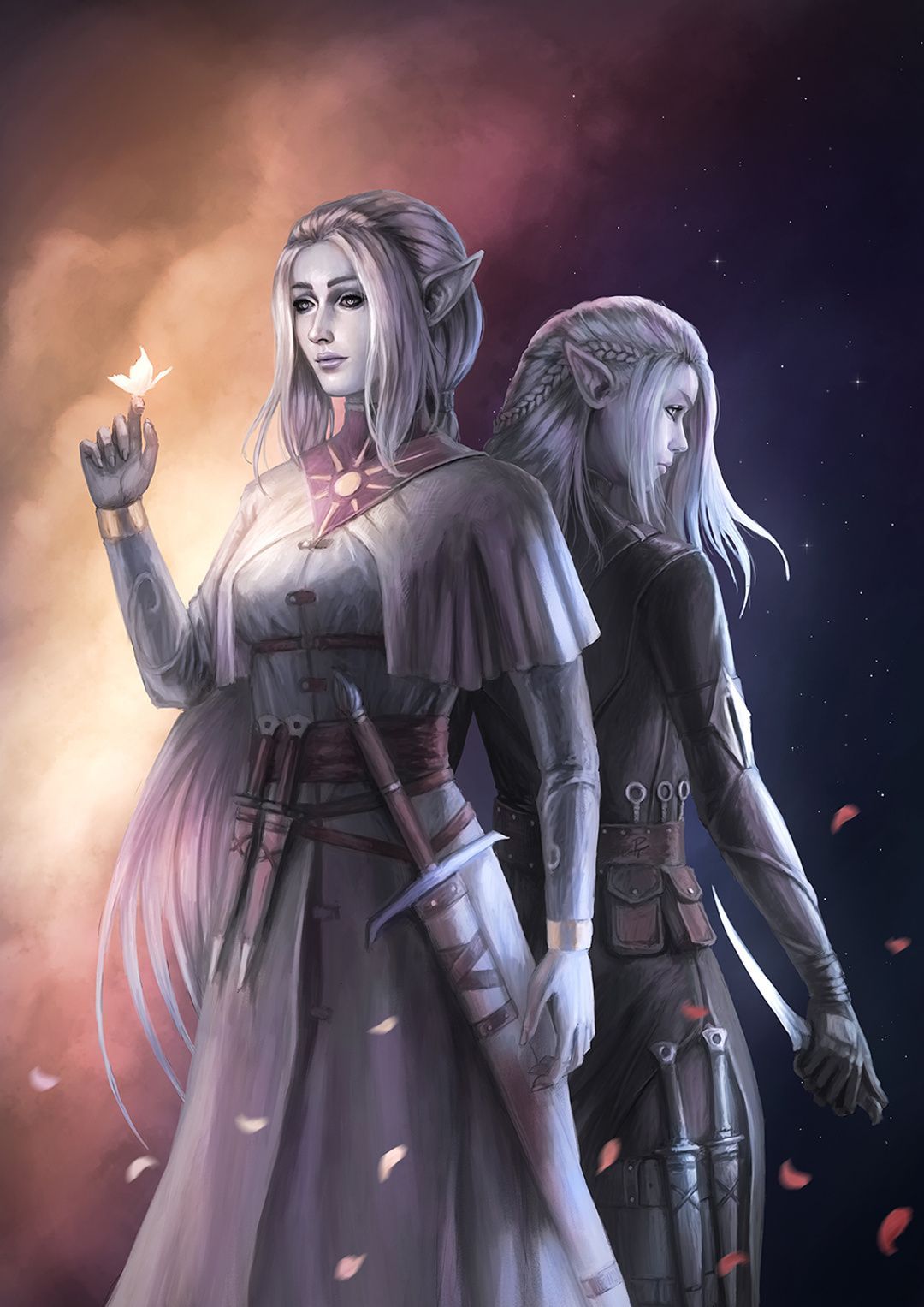
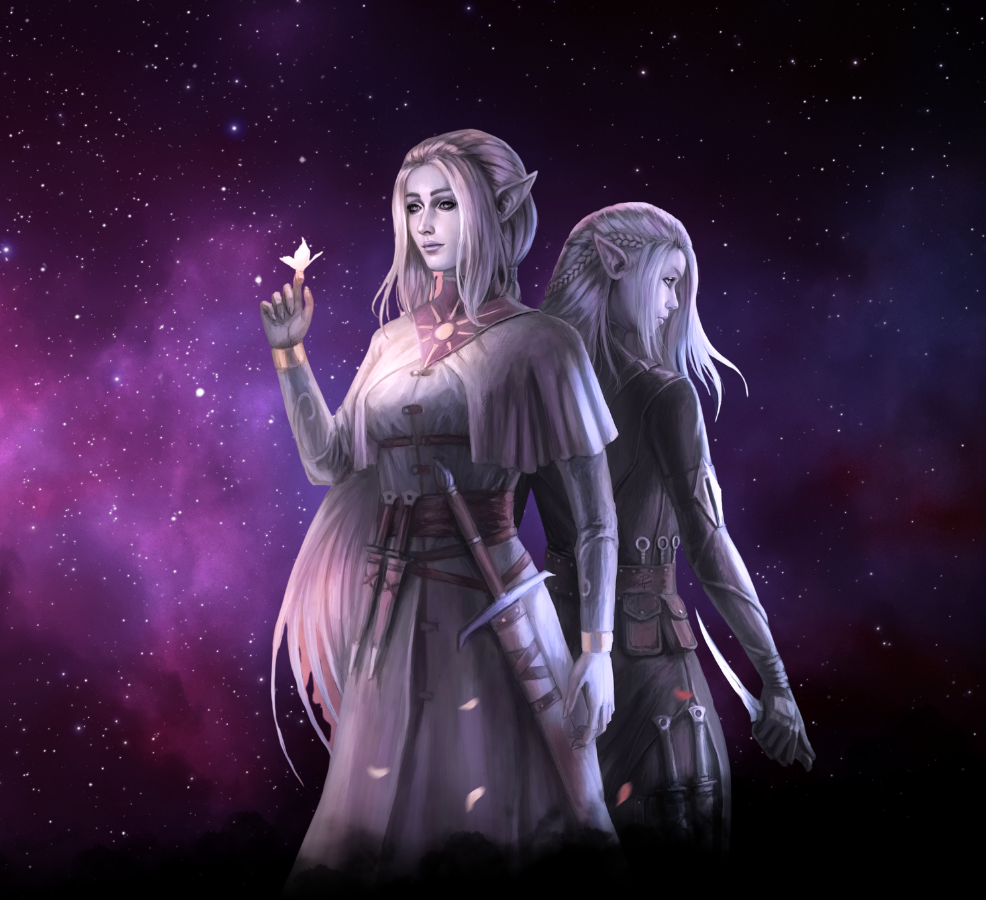
Everywhere but in dverger society, any child who manifests a natural gift for vharin around their tenth year is taken to a temple; ostensibly to learn control alongside ordinary schooling. In most lands, such children are treasured and protected, though separated from their families; among the pale-aelvar, as I have recorded elsewhere from Isha’s account, “training” is a harsher word. For most of us, youth is something to shield at almost any cost. In the Vael’sarí Empire, it seems youth is something to be sharpened and spent.
— from the research notes of Zyr’Magi Tes’Lothen, “Magi the Blade”, high-aelv scholar, mage, and swordsman