Death, like taxes and foolish kings, visits every people I have studied, and each has found its own way to make sense of it. All races, in one fashion or another, acknowledge the gods: at the peak stand the Goddess of Light and the Goddess of Darkness, with the so-called “neutral” deities and their lesser gods arranged in uneasy orbits around them. Those who follow Light worship her and the gods aligned with her openly; those who give their hearts to Darkness tend to veil their devotions, honoring her lesser allies in hidden shrines and whispered rites.
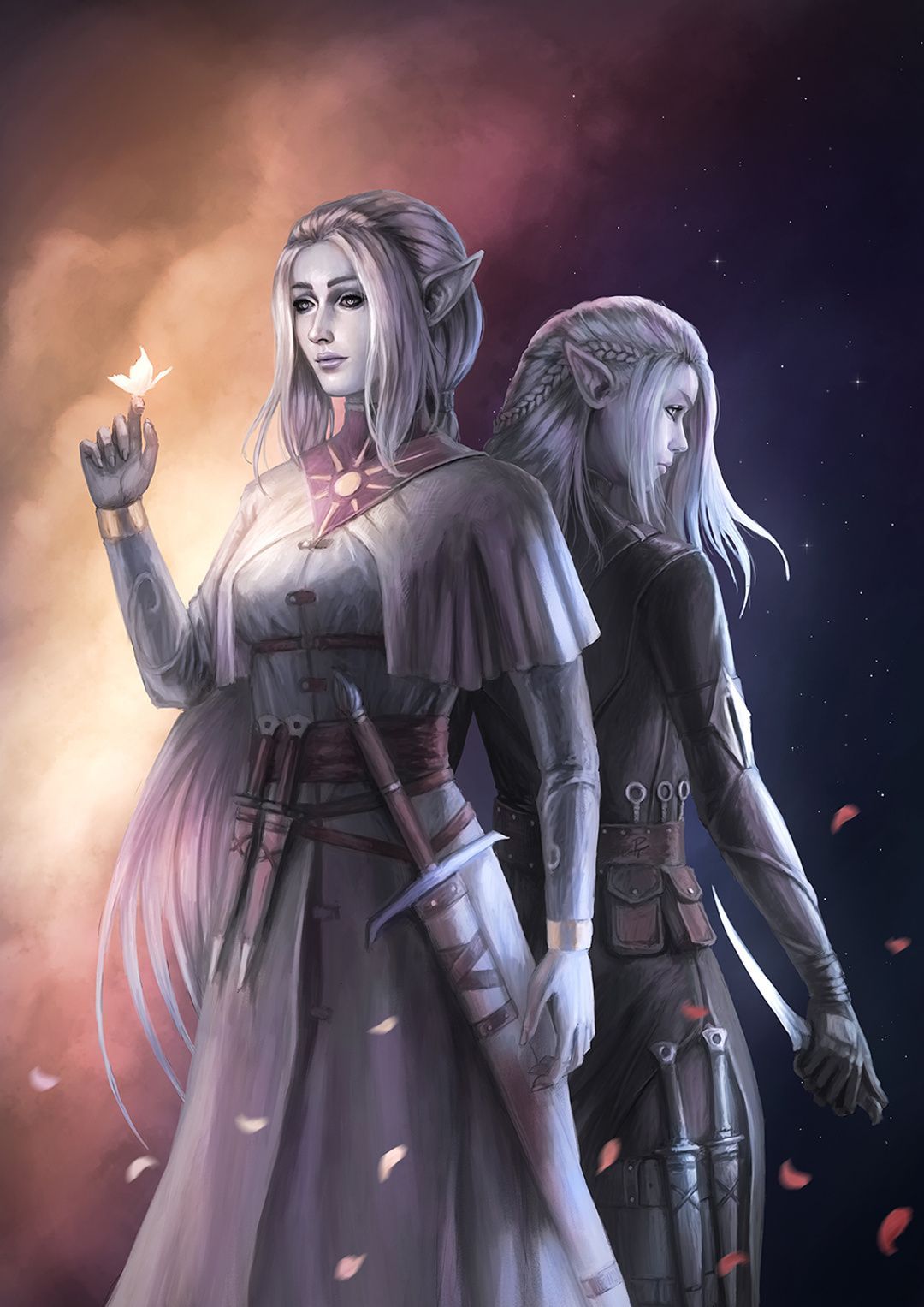
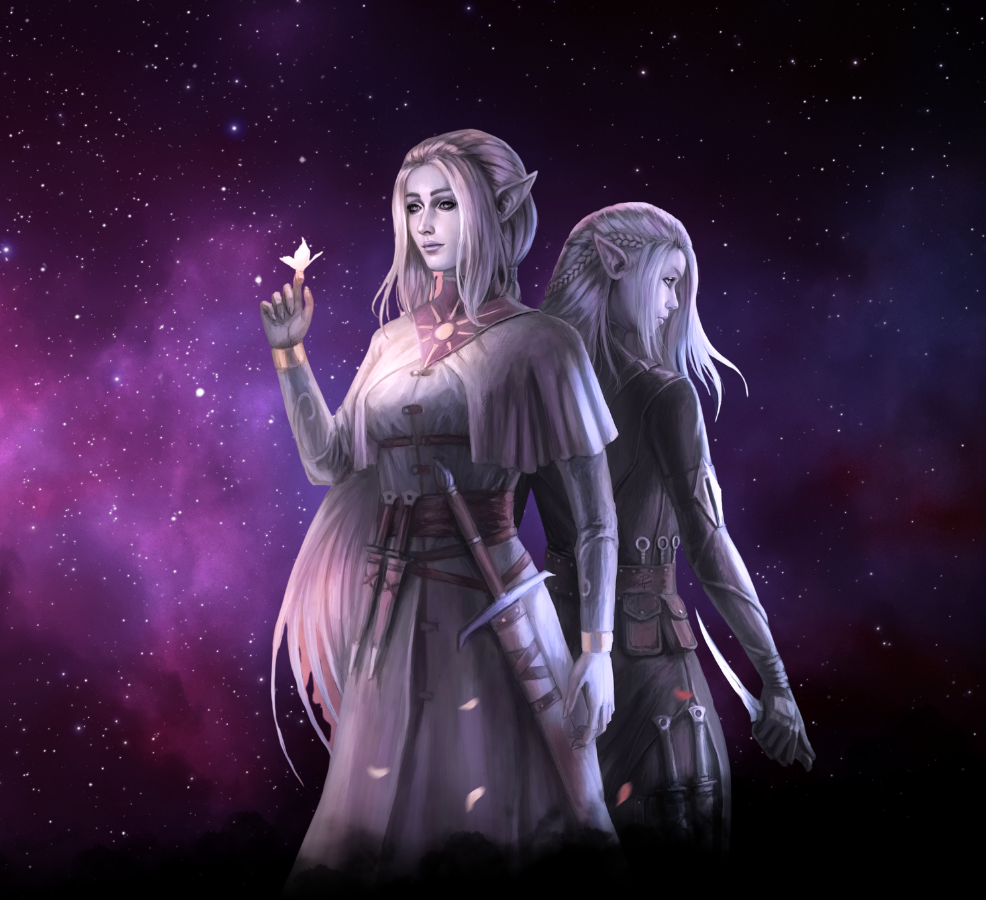
Funeral customs differ as markedly as languages. Humans bury their dead in earth, from humble village plots to grand stone tombs, trusting soil and time to do their quiet work. High-aelvar cremate our fallen and carry the ashes up the mountain, casting them into the air so that the winds and snows may bear them back into the living world; it is said this blessing strengthens the generations that follow. Wood-aelvar return their bodies directly to the forest, exposed to sky, root, and tooth, seeing no clear line between flesh and the rest of the natural cycle. Dverger entomb their dead deep beneath their great fortress cities in vast catacombs (separate from their mines) with lovingly carved stone effigies marking each resting place. Pale-aelvar, by Isha’s account, burn their “worthy” dead and store the mingled ashes of a bloodline in a single ancestral vessel, so that descendants may venerate a literal concentration of their forebears. What makes them worthy, she declined to tell.
On what comes after, the doctrines split as sharply as their rites. Followers of the Goddess of Light hold that the righteous join her and her allied gods in their own plane, while those who did great harm are given other lives in the future to amend themselves. Souls that squander even these second and third chances are said to be confined to the “hells”; not a place of elaborate tortures, but a realm cut off from her Light, populated solely by those who proved incapable of redemption. Those who worship the Goddess of Darkness teach that all the dead, especially those granted her “Mercy”, or ritual death by her priests, return to the primordial Void that existed before creation, dissolving into her presence for eternity. To my ear, this sounds suspiciously like the hells described by her rival’s priests, only with different hymns attached.
As for what I believe… neither prospect is especially comforting to a skeptic such as myself. Yet if forced to choose, I admit I find the hopes of those who follow the Goddess of Light, and the gods who stand with her, far more appealing than the promise of everlasting nothingness. It would be nice to see friends long lost again.
— from the research notes of Zyr’Magi Tes’Lothen, “Magi the Blade”, high-aelv scholar, mage, and swordsman