The Ætaine Calendar would like to pretend it is the only sane way to count the passage of time, and for much of the East, it has succeeded. Most human kingdoms date their lives from its year-zero, and the rest grudgingly convert when doing business due to Ætaine’s dominance in commerce. Yet even in its own shadow, oddities flourish. Villages celebrate local saints and half-forgotten heroes on dates no one else recognizes. Eclipses and bright comets spawn their own short-lived observances: sudden fasts, impromptu festivals, or solemn processions, depending on whether the last time it happened brought good harvests or war.
The Drak’nir Empire, naturally, refuses to acknowledge Ætaine’s dating at all. Their calendar begins with the founding of Drak’nir, placing them roughly three centuries “younger” on paper, which suits their pride well enough. Official decrees there are dated according to imperial regnal years and founding year, and any scribe caught using Ætaine reckoning on state documents risks more than a reprimand. The dverger seem to not care about annual dating or tracking at all, just utilizing the standard calendar to mark the passage of days and months.
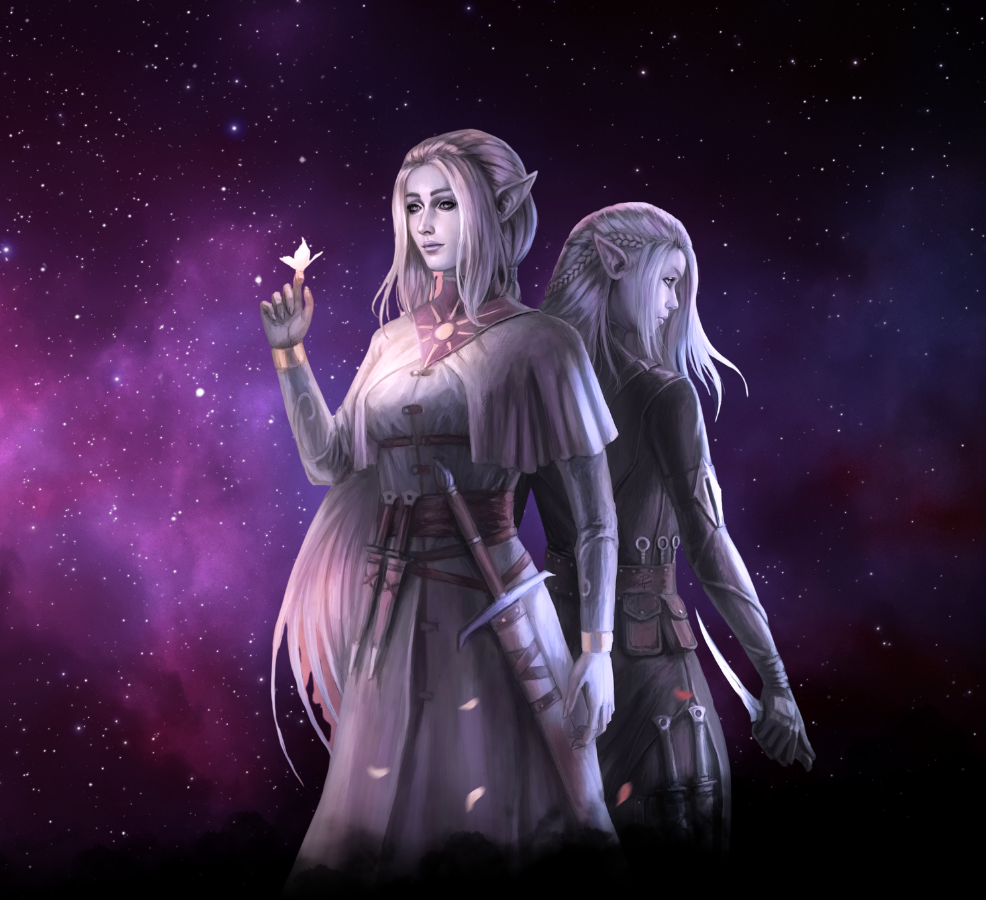
The aelvar realms ignore both systems. High- and wood-aelvar societies still use the old Creation Calendar, which counts from a mythic estimate of when the Goddess of Light first brought the world into being, some one hundred and thirty-seven millennia ago. The pale-aelvar, interestingly, retain the same numbering but have stripped their holy days of any reference to the Goddess of Light; the “Radiant Deceiver,” as they name her; in their version, the year is kept, but the light has been carefully written out of the margins and date it according to the First Sin.
In this as in so much else, our calendars say less about when things happened than about whom we have decided to honor, or erase.
— from the research notes of Zyr’Magi Tes’Lothen, “Magi the Blade”, high-aelv scholar, mage, and swordsman